Update 30/06/2026
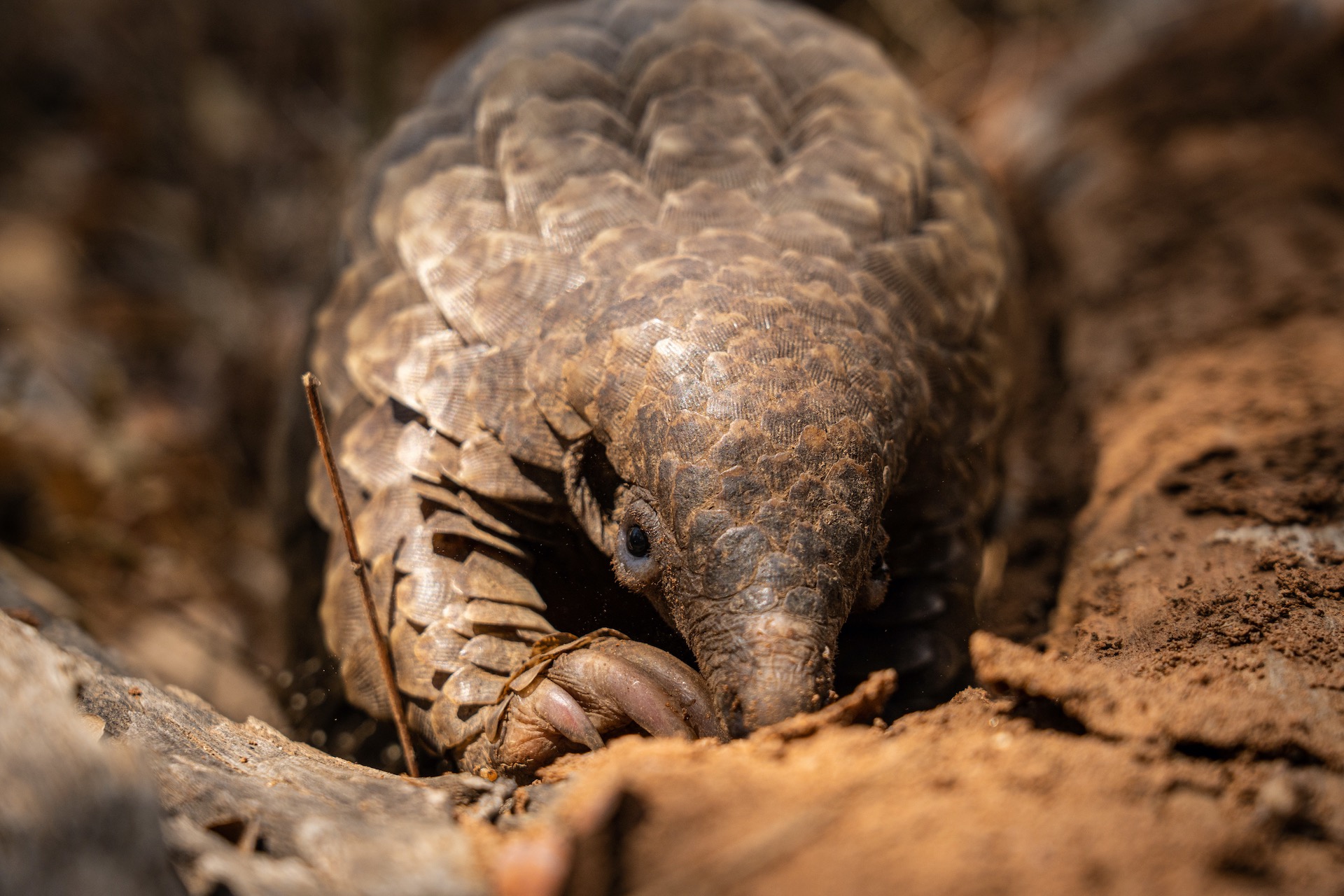
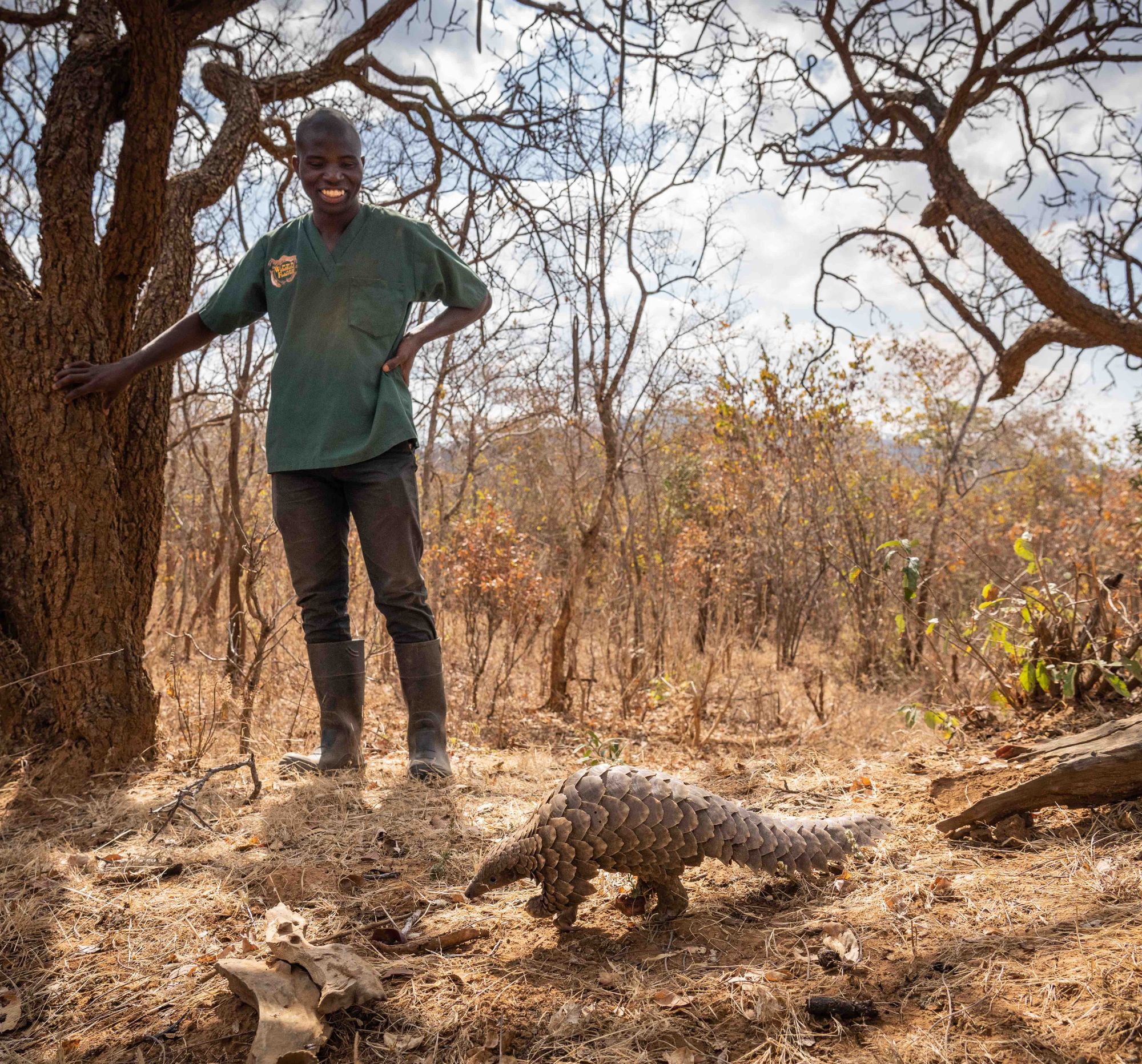
We are delighted to continue supporting the Pangolin Protection and Rehabilitation project run by Lilongwe Wildlife Trust in Malawi for another year. During the prior 12 months, 16 pangolins, most of them confiscated from the illegal wildlife trade have been rescued. Some of these cases are extremely complex with pangolins needing extensive veterinary care and a lot of rehabilitation before they can be released back into the wild – in some cases this can take months. The LWT team need to be sure that the pangolins are strong enough and capable of foraging before they can be released.
A highlight from the year included being contacted by a community informing LWT of the presence of a previously released pangolin near a village. The LWT team carried out a health assessment and established this pangolin was indeed healthy and could be moved back into a protected area. More than a million pangolins are estimated to have been poached for illegal trade since 2000 and pangolins are now believed to be the world’s most trafficked mammal. The fact that LWT are being contacted hopefully reflects growing public awareness of the need to protect this highly threatened species.
————————————
We are excited to support a pangolin protection programme in Malawi, run by one of the country’s leading conservation NGOs, Lilongwe Wildlife Trust. The programme includes three areas of work: emergency rescue and veterinary care; rehabilitation; release and post-release monitoring. Based at Malawi’s only wildlife sanctuary, Lilongwe Wildlife Centre, and other field sites, it delivers expert care to save and release as many pangolins as possible, fill knowledge gaps and sustain pangolin populations.
Pangolin care is incredibly time and resource intensive. The majority of pangolins that arrive at Lilongwe Wildlife Centre are brought in by law enforcement officers after they have been rescued from wildlife traffickers. Pangolins are often held illegally for some time prior to confiscation, hidden in boxes, bags and maize sacks with no food or water. Some arrive with severe wounds and missing limbs after being caught in snare traps. Providing a fast and effective “first response” is critical to preventing mortalities and increasing the number of pangolins that can be rehabilitated and, eventually, released back into the wild. For a highly vulnerable species such as pangolins, saving as many individuals as possible really does count.
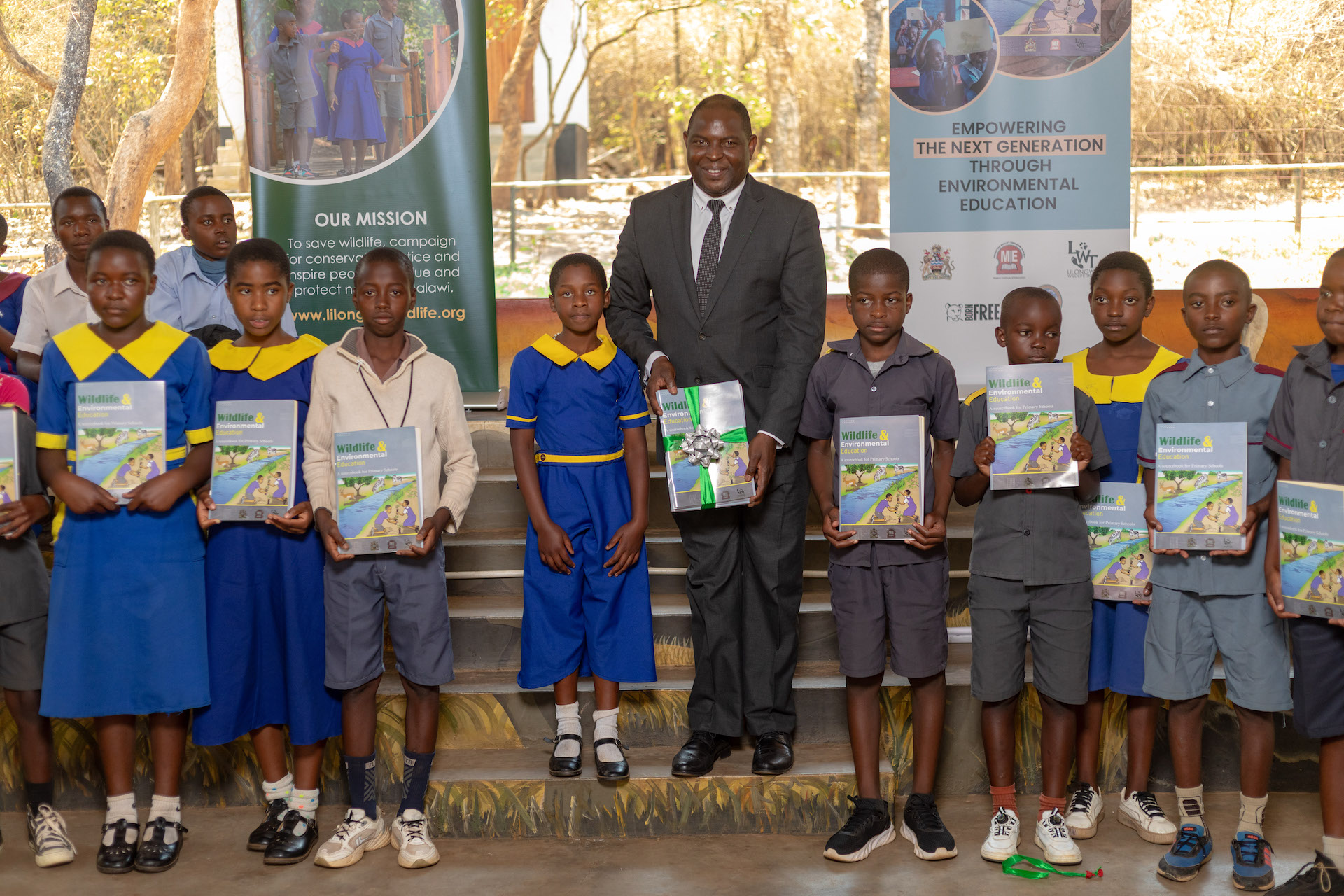
Lilongwe Wildlife Trust doesn’t just work with wildlife – it also runs an environmental education programme which seeks to inspire the next generation to value and protect nature. The need for this work has never been more urgent, as environmental degradation is stripping Malawi of its economic, social and ecological potential. Forest cover is disappearing through rapid deforestation. Animal habitats are shrinking. Illegal wildlife trade continues to threaten the survival of many species. Food security and human health are at risk.
Ozone is supporting an initiative by Lilongwe Wildlife Trust to integrate environmental education into the national primary school curriculum. Last year the Trust worked with the Government of Malawi to develop a new textbook called the “Wildlife & Environmental Sourcebook” which includes specialist education content on critical environmental topics, from wildlife crime and climate change to deforestation and waste management.
In Malawi, the development of a “sourcebook” is part of the process to update the national curriculum. Sourcebooks are used as reference material to inform official updates to the national curriculum, and are also used to help teachers deliver lessons on issues which may not be well covered in the existing curriculum before a full curriculum update has been achieved. Ozone funding will help to print and distribute the sourcebook to primary schools in Malawi and train teachers on how to use it. This is an exciting initiative.